Why Forgetting Happens and How to Beat It

Memory fades predictably, yet it strengthens when recall is spaced and effortful. By timing reviews just before forgetting curves dip, you compress study time while keeping accuracy high. We will connect Ebbinghaus-inspired spacing, retrieval practice, and interleaving with daily routines you can sustain. A simple schedule, five-minute check-ins, and lightweight cues transform scattered notes into reliable knowledge. Expect friendly science, relatable examples, and actionable habits you can test immediately and improve weekly.

The Spacing Effect in Real Life

Imagine learning ten new ideas on Monday and remembering most of them weeks later, not by cramming, but by revisiting at expanding intervals. Short, targeted prompts prevent overstudying while protecting recall. A calendar or app nudges you at the moment of maximum benefit. Over time, fewer reviews are needed because retrieval grows stronger. This respectful cadence fits busy days, reduces guilt, and encourages curiosity instead of anxiety about slipping memory.

Retrieval Beats Rereading

When you try to remember before checking notes, you signal your brain that the information matters. A single minute of active recall outperforms passive rereading sessions that feel comforting but fade quickly. Use micro-quizzes, flashcards, or explain-to-a-duck moments to surface gaps and reinforce connections. Combine these with spaced prompts, and your notes become a living gym for understanding rather than a dusty archive that rarely helps under pressure.

A Small Habit with Massive Compounding

Start with just five cards or one question a day. That tiny streak builds identity, reduces procrastination, and compounds results. Because reviews shrink as mastery grows, your time investment stays stable while capability expands. Months later, you notice faster problem solving, richer conversations, and creative crossovers between fields. The habit’s predictability also frees attention for deep work, making practice an energizing part of mornings instead of an exhausting end-of-day chore.

Designing Your Daily Practice Templates

Capture Template

Create a capture card with fields for source, distilled insight, a personal example, and an application scenario. Finish with a first review date and a tag linking to related concepts. This design encourages synthesis instead of copying. By forcing one-sentence explanations in your own words, you make understanding visible and sharable. Later, the tag network reveals patterns, helping you connect ideas into projects rather than collecting disconnected trivia.

Practice Template

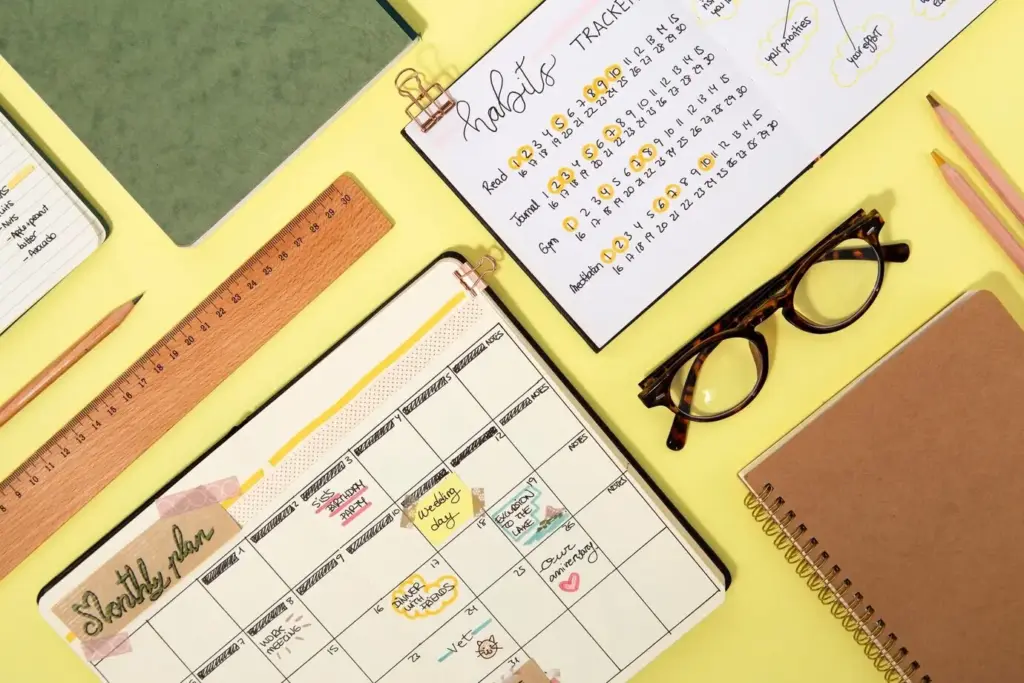
Design a daily practice sheet that asks what you will recall, how you will test yourself, and what tiny deliverable proves progress today. Include a timebox, difficulty estimate, and a reflection prompt for tomorrow’s adjustment. The structure turns vague intentions into measurable effort. Over weeks, these sheets become a logbook of small wins, useful failures, and calibrated challenges, making it obvious which inputs matter and which rituals can be safely dropped.

Review Template

Use a review checklist that starts with a quick warm-up recall, proceeds through spaced prompts, and ends with a decision: keep, edit, merge, or archive. Add a field to note misunderstandings and one to schedule the next interval. This keeps your system lean. Instead of hoarding, you curate. The checklist also creates closure, reducing mental clutter, and protecting focus for tomorrow’s creative work where knowledge must perform, not merely sit in storage.

Building a Sustainable System

Consistency beats intensity when the goal is lasting skill. Tie practice to cues you already trust: morning coffee, commute, or the first calendar block after lunch. Timebox sessions to match your energy, not your ambition. Protect weekends or buffer days to avoid burnout. Keep the system light enough to survive chaos weeks. When life gets noisy, a resilient cadence delivers progress anyway, turning ordinary days into reliable training sessions you actually look forward to.

The One-Day Project

Pick a question your notes can answer and deliver something by sunset. Use a practice template to define scope, constraints, and a minimum viable result. Share the artifact with one person who cares. The deadline clarifies decisions and reveals knowledge gaps quickly. Because projects are small, failure is cheap and informative. With repetition, you’ll trust the process: capture, recall, build, refine, and archive learnings so the next project starts stronger and finishes faster.

Feedback Loops

Seek fast, kind feedback that targets outcomes, not personalities. Ask, “What would make this twice as useful?” and “Where did I misinterpret the idea?” Log responses in your review template, then schedule a spaced revisit to integrate changes. Feedback becomes another prompt for retrieval, fusing understanding with execution. Over time, loops shorten and quality rises. You’ll notice fewer surprises under pressure because your practice anticipates real-world demands and adapts gracefully to constraints.

Public Accountability

Announce a tiny deliverable and a date to friends, colleagues, or a community. Publish a short status update after each session, highlighting one win and one lesson. Accountability transforms intentions into agreements with witnesses. It lowers the cost of starting and raises the cost of quitting. With predictable check-ins, you will protect practice time even during hectic weeks, steadily building a body of work that proves your learning performs outside private notes.

Tools and Workflows

Choose tools that make starting easy and quitting harder. The best workflow is the one you actually use under real constraints. Paper cards, Anki, Notion, Obsidian, or a simple notes app can all work if templates are clear and recall is active. Automations help but are optional. Focus on reducing clicks, preventing decision fatigue, and syncing across devices so practice happens everywhere. Tooling should amplify attention, not replace it with maintenance chores.

Language Learner Breakthrough

Instead of cramming vocabulary before weekly classes, they reviewed ten cards morning and evening, then practiced two scripted exchanges during coffee breaks. The scripts evolved into real conversations because spaced prompts kept words fresh when needed. Confidence rose, mistakes decreased, and teachers noticed more adventurous speaking. The learner tracked streaks, celebrated tiny wins, and treated missed days as data, not failure. Momentum returned quickly, proving gentleness plus structure beats perfectionism in sustained learning.

Developer Velocity

A junior engineer created flashcards from pull request comments and templated a daily kata: read one pattern, explain it aloud, apply it in a tiny refactor. Spaced repetitions surfaced recurring pitfalls just in time. Within weeks, code reviews became faster and more precise. The practice also reduced context-switching costs, since the template decided what to do next. Promotions followed not from working longer hours, but from reliable, steady improvement that teammates could trust.

Healthcare Precision

Before rounds, a clinician ran a five-question recall checklist about dosages and interactions, then updated a template with edge cases after shifts. Spaced prompts ensured critical details resurfaced under stress. Over months, near-misses declined, and handoffs improved because notes were concise, standardized, and searchable. The routine required minutes, not hours, yet it compounded into calmer decisions and clearer communication. Colleagues adopted the template, building a shared language for safety and continuous improvement together.

Stories from the Practice Field

Real lives change when knowledge performs daily. A language learner used five-minute spaced prompts on the bus, then short conversation templates at lunch. Within three months, they handled calls at work confidently. A developer shrank onboarding time by turning documentation into micro-quizzes and one-hour build exercises. A nurse improved medication safety using recall checklists before rounds. These snapshots show how small, friendly routines reshape competence without sacrificing busy schedules or personal bandwidth.

Join the Practice Community

Your journey strengthens when shared. Commit to one tiny deliverable this week, subscribe for fresh templates, and reply with your first win so others can learn from it. Ask questions publicly; answers help everyone refine workflows. Volunteer a short case study, and we will turn it into a template others can try tomorrow. By exchanging prompts, checklists, and lessons, we transform isolated effort into collective acceleration that survives setbacks and celebrates meaningful progress.
Velikokekunuzorurile
Privacy Overview

This website uses cookies so that we can provide you with the best user experience possible. Cookie information is stored in your browser and performs functions such as recognising you when you return to our website and helping our team to understand which sections of the website you find most interesting and useful.